Which Digital Marketing Strategy Is Best? A Practical Guide for Businesses
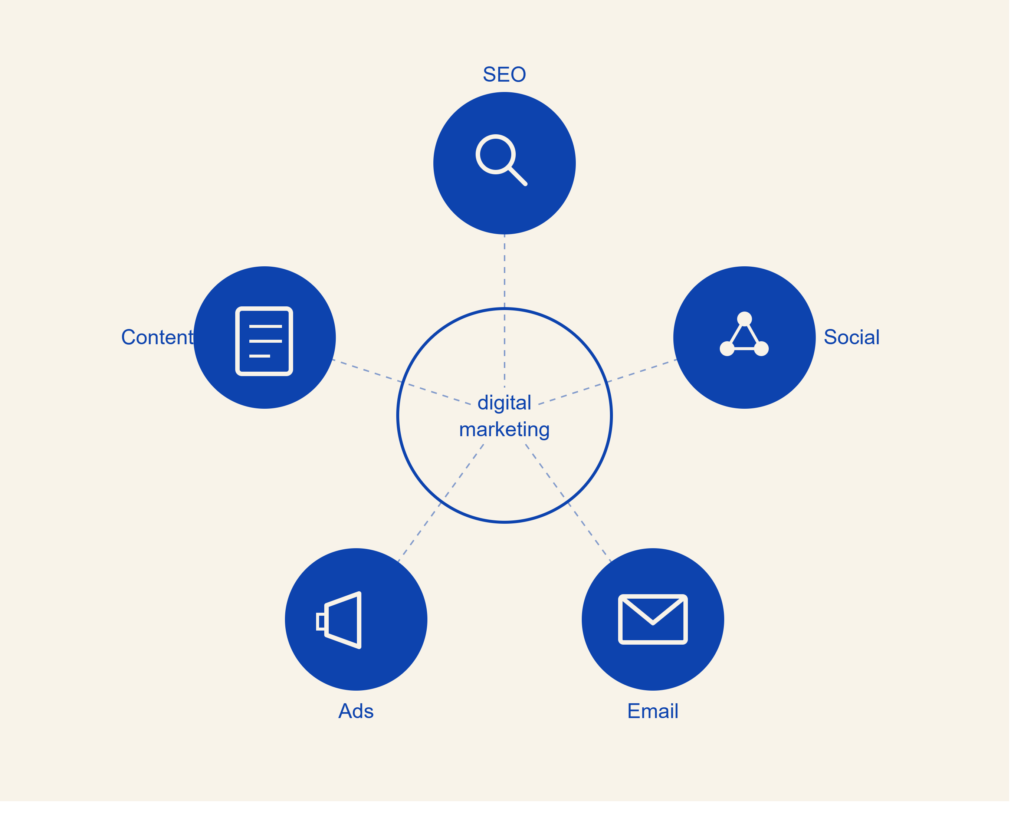
Choosing a digital marketing strategy can feel confusing, especially when every platform seems to promise better reach, more customers, and higher sales.
Some businesses focus heavily on search engines. Others invest most of their budget in social media advertising, email campaigns, content creation, or influencer collaborations. There are also businesses that use several methods together and adjust their approach according to their results.
So, which digital marketing strategy is actually the right one?
The answer depends on the business.
A strategy that works well for an e-commerce fashion brand may not be suitable for a local service provider. Similarly, a B2B company may need a completely different approach from a small business selling directly to consumers.
Factors such as business goals, target audience, available budget, product type, competition, customer journey, and expected timeframe all influence the right marketing approach.
Instead of searching for one universally successful channel, businesses should understand what each digital marketing method can achieve and then build a strategy around their own needs.
1. Search Engine Optimization (SEO)
Search Engine Optimization (SEO) involves making improvements to a website so it has a better chance of being discovered when users search online for related products, services, or information. For instance, a person looking for “digital marketing services in Thrissur” is already exploring a particular service. If a relevant business appears in those search results, it can attract that user’s attention and potentially turn the search into an enquiry.
SEO can involve several activities, including:
- Keyword research
- Website optimization
- Creating useful content
- Improving page structure
- Technical SEO
- Internal linking
- Local SEO
- Image optimization
- Building website authority
One of the main characteristics of SEO is that it usually requires patience. Rankings and organic traffic generally take time to develop, particularly for competitive search terms.
However, useful content and well-optimized pages can continue attracting visitors after they are published.
Suitable for: Businesses that want to build long-term organic visibility, including local businesses, service providers, blogs, e-commerce websites, and B2B companies.
Consideration: SEO requires ongoing work, and search rankings can change because of competition, search engine updates, and changes in user behavior.
2. Pay-Per-Click Advertising
Pay-Per-Click (PPC) advertising enables businesses to promote their products or services to users based on relevant searches or selected audience criteria. Google Ads is a widely used PPC platform, where businesses can bid on relevant search terms to display their advertisements when potential customers look for related products or services. Compared with organic SEO, paid campaigns can help businesses gain online visibility and reach their target audience more quickly.
Businesses can use PPC for goals such as:
- Website traffic
- Product sales
- Lead generation
- Phone calls
- App downloads
- Brand visibility
- Local enquiries
Another useful feature of PPC is the amount of campaign data available. Advertisers can track key campaign data, including impressions, clicks, conversions, spending, and overall performance.
This makes paid advertising useful for testing different offers, landing pages, headlines, and audiences.
Suitable for: Businesses looking for faster visibility, companies launching products, businesses generating enquiries, and advertisers testing specific offers.
Consideration: Paid campaigns require continuous budget management. When advertising stops, the paid traffic generated by those campaigns generally stops as well.
3. Social Media Marketing
Social media plays a significant role in digital marketing by giving businesses a direct way to connect and engage with both current and prospective customers.
Platforms such as Instagram, Facebook, LinkedIn, YouTube, and TikTok offer different opportunities. The appropriate platform depends largely on where the target audience spends time and how they prefer to consume content.
Businesses can use social media for:
- Brand awareness
- Community building
- Product promotion
- Customer engagement
- Educational content
- Lead generation
- Paid advertising
- Customer support
For example, a fashion brand may rely heavily on visual content, while a B2B company may focus more on professional insights, case studies, and industry-related content.
Social platforms also give businesses an opportunity to express their brand identity and personality through their content.
Behind-the-scenes posts, customer stories, educational videos, product demonstrations, and short-form videos can make a business feel more accessible.
Suitable for: Consumer brands, local businesses, creators, visual businesses, and companies that want to develop an active online community.
Consideration: Organic visibility is influenced by platform algorithms, audience engagement, content quality, and competition. Consistent content creation is usually necessary to maintain momentum.
4. Content Marketing
Content marketing involves producing valuable material that educates people, addresses their concerns, and supports them when making informed choices.
Content can take many forms, including:
- Blog articles
- Videos
- Guides
- Case studies
- Infographics
- Podcasts
- Social media posts
- Tutorials
- E-books
- Frequently asked questions
For instance, a web design agency could create a blog post that outlines the typical expenses involved in building a website for a small business.
Someone researching the subject may come across the business while reading that content. In this way, content marketing can introduce a brand to potential customers during the research stage, even before they are ready to buy.
It can also support other channels. A well-written article may attract visitors through search engines, be shared on social media, and later be promoted through email.
Suitable for: Businesses that need to educate their audience, establish expertise, answer common questions, or build trust before a purchase.
Consideration: Content rarely produces significant results from a small number of random posts. Maintaining a focused content plan and publishing regularly can be more effective than creating a large volume of disconnected material.
- Email Marketing
Email marketing provides businesses with a direct way to stay connected with customers and subscribers who have agreed to receive their messages.
Unlike social media, where businesses depend heavily on platform distribution, an email list gives a brand a more direct way to communicate with subscribers.
Businesses can use email for:
- Welcome messages
- Product announcements
- Special offers
- Educational content
- Abandoned-cart reminders
- Customer updates
- Follow-up campaigns
- Re-engagement campaigns
For example, an online store could send a reminder to a customer who added a product to their cart but did not complete the purchase.
Email communication can help businesses stay connected with customers even after a purchase has been completed. Sending relevant and helpful updates regularly can keep the brand familiar and encourage continued engagement.
However, email marketing depends on having people who have voluntarily subscribed or otherwise provided appropriate permission to receive communications.
Suitable for: Most businesses, particularly those that want to nurture leads, maintain customer relationships, encourage repeat purchases, or communicate directly with an existing audience.
Consideration: Building a quality email list takes time. Businesses also need to pay attention to consent, message frequency, content quality, and email deliverability.
6. Influencer and Creator Marketing
Influencer marketing involves working with individuals who already have an audience that overlaps with a brand’s target market.
A creator does not have to have a huge follower base to be effective for a brand.
In some situations, a smaller creator with an engaged and relevant audience may be more suitable.
For example, a local skincare brand could collaborate with a beauty creator whose followers are interested in skincare products. The creator can introduce the product through a review, demonstration, tutorial, or other agreed format.
Influencer marketing can help businesses reach audiences through content that feels more personal than traditional advertising.
Suitable for: Consumer-facing businesses, particularly brands in areas such as fashion, beauty, food, fitness, travel, and lifestyle.
Consideration: Results can vary considerably depending on the creator, audience quality, campaign structure, content format, and product-market fit. Businesses should evaluate relevance and engagement rather than focusing only on follower numbers.
7. Local Digital Marketing
Businesses that serve a particular geographical area may need a stronger local marketing strategy.
A restaurant, salon, clinic, photographer, tuition centre, or local service provider does not necessarily need to reach customers across the entire country.
Local digital marketing can include:
- Local SEO
- Google Business Profile optimization
- Location-focused content
- Local search advertising
- Social media campaigns
- Customer reviews
- Location-specific landing pages
For example, a business serving customers in Thrissur can create content and website pages that clearly communicate the locations and services it serves.
The objective is to make it easier for people in the relevant area to discover and contact the business.
Suitable for: Businesses that depend on customers from a specific city, town, district, or service area.
Consideration: Local strategies should focus on genuine geographic relevance rather than repeatedly inserting location keywords into content.
How Should a Business Choose?
There is no need to use every available marketing channel.
A better approach is to start with a few important questions:
Who are your customers?
Understand their age group, interests, location, problems, buying behavior, and preferred platforms.
What are you trying to achieve?
Your strategy may be focused on awareness, website traffic, enquiries, sales, customer retention, or another measurable objective.
How quickly do you need results?
Paid advertising may provide faster visibility, while SEO and content marketing generally require more time to develop.
What resources are available?
Consider your budget, team size, available skills, time, and ability to create content consistently.
How does your customer make a purchase decision?
Some products are purchased quickly, while others require research, comparisons, demonstrations, reviews, or multiple interactions before the customer is ready.
Why Combining Multiple Channels Can Help
Digital marketing channels do not have to operate independently.
In many cases, one channel can support another.
For example:
SEO → Website visitor → Email signup → Email nurturing → Purchase
Another business might use:
Social media → Paid advertisement → Landing page → Lead form → Follow-up
An e-commerce business could combine:
Social content → Product page → Retargeting → Email reminder → Purchase
These combinations can create a more connected customer journey.
A business does not necessarily need a complicated marketing system from day one. It can begin with the channels most closely connected to its immediate goals and gradually expand.
What About Businesses With a Small Budget?
Having a smaller marketing budget does not prevent a business from using digital marketing effectively.
Businesses with fewer resources can focus on activities that build visibility without requiring large advertising budgets.
For example, they can:
- Create useful social media content
- Improve their website
- Publish search-focused articles
- Optimize local listings
- Build an email list
- Encourage genuine customer reviews
- Repurpose existing content
- Test small paid campaigns
The important point is to avoid spreading a small budget across too many platforms.
It can be more practical to understand one or two channels properly, measure the results, and expand when there is evidence that the approach is working.
Measuring the Results
Choosing a channel is only the beginning.
Businesses should also decide how they will measure performance.
The metrics worth tracking can vary depending on the specific goal of the campaign, such as:
- Website visits
- Click-through rate
- Cost per click
- Leads generated
- Conversion rate
- Cost per acquisition
- Email engagement
- Sales revenue
- Return on advertising spend
- Customer retention
Not every metric matters equally for every campaign.
For example, a brand-awareness campaign may focus on reach and impressions, while a lead-generation campaign may be more concerned with the number and cost of qualified enquiries.
The measurement system should therefore match the original marketing objective.
Final Thoughts
The search for the “best” digital marketing strategy does not have one universal answer.
SEO can support long-term organic visibility. PPC can provide paid traffic and faster exposure.Social media enables brands to connect with their audience while developing meaningful customer relationships.
Content marketing can educate and build credibility. Email can nurture existing contacts, while influencer marketing can introduce products through established communities. Local marketing can help businesses connect with customers in specific geographical areas.
The right combination depends on the business.
Start by understanding your audience, defining your objective, setting a realistic budget, and identifying how your customers make decisions. Then select the channels that fit those requirements.
Most importantly, do not judge a strategy only by how popular a platform is. A channel is useful when it helps your business reach the right people and move toward a meaningful objective.
Digital marketing is not about finding one perfect platform.
It is about creating a strategy where the right channels, content, audience, and goals work together.